
A well-maintained log home is, quite frankly, absolutely beautiful. It’s also protected against the harsh (sometimes wildly unpredictable) Kentucky weather. One of the most important steps in keeping it that way is regular sealing. But, how often should you seal a log home? What factors affect that schedule? Let’s discuss.
Why Sealing Is Essential for Log Homes
Sealing your cabin is about more than looks. A good sealant:
- Blocks moisture from soaking into the logs
- Shields against UV damage from the sun
- Helps prevent insect infestations
- Reduces the risk of rot and decay
Without proper sealing, logs can absorb water, swell, crack, and eventually weaken. This can leave your log home vulnerable to costly damage.
Typical Sealing Frequency
In general, most log homes should be sealed every 3 to 5 years. However, this can vary based on:
- The type and quality of stain or sealant used
- Exposure to sunlight, wind, and rain
- Local humidity (so… much… humidity) and seasonal weather patterns (those aforementioned unpredictable patterns)
Kentucky’s mix of hot summers, winter freezes, and occasional severe storms can mean resealing sooner, especially for walls that get the most sun or wind.
Signs Your Log Home Needs Resealing Sooner
You don’t have to wait for your sealing “schedule” to come due—in fact, it’s probably best not to. Watch for these signs that it’s time:
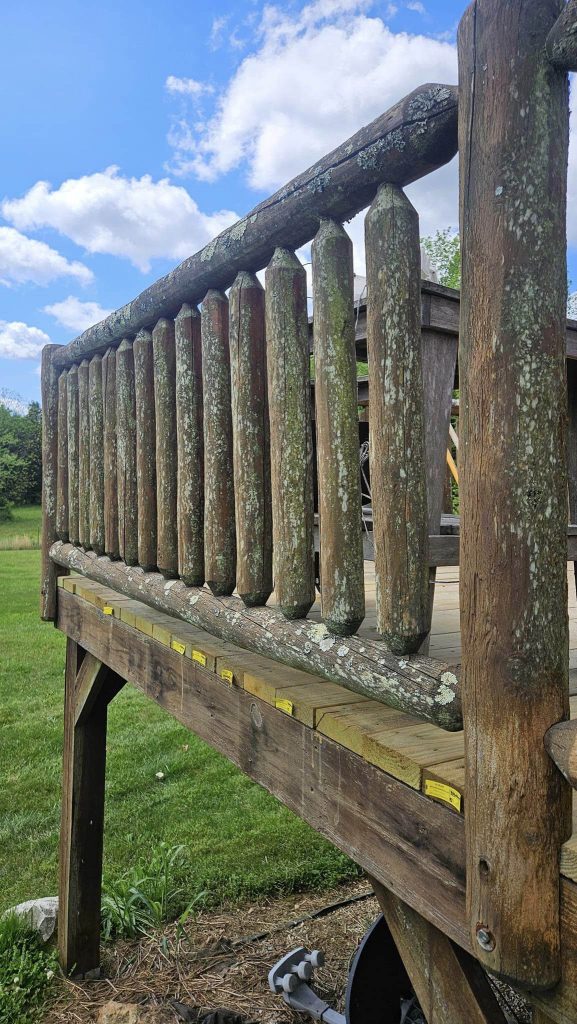
- Fading or dull color
- Water no longer beads up on the surface
- Cracks in the finish or peeling areas
- Dark spots, mildew, or mold growth
- Rough texture instead of smooth protection
If you see any of these, sealing sooner rather than later can prevent much more serious issues.
Factors That Affect Sealing Schedule
Several variables can change how often your log home needs sealing:
- Type of finish: Some high-quality stains last longer, especially those with strong UV blockers.
- Wood species: Softer woods may absorb more moisture and need more frequent care.
- Exposure: South-facing and west-facing walls take the most sun damage, and may necessitate more frequent staining and sealing.
- Maintenance habits: Regular cleaning and inspections can extend the life of your sealant.
DIY vs. Professional Sealing
According to Perma-Chink Systems, sealing can be a do-it-yourself job if you have the right tools, products, and preparation. Proper prep is the most important part; logs must be clean, dry, and free from old, failing finishes before applying new sealant.
However, many homeowners choose to hire professionals like KY Cabin Care to:
- Ensure even application and correct product choice
- Handle challenging areas safely
- Address repairs before sealing
- Save time and avoid costly mistakes
KY Cabin Care’s Sealing Process
When you trust us to seal your log home, we:
- Inspect the entire cabin for damage or needed repairs
- Clean and prepare the logs for maximum adhesion
- Apply the appropriate sealant for your wood and exposure
- Finish with a protective coat for lasting beauty
If we find any damaged logs or areas with rot, we can provide full log home repair and wood replacement before sealing.
Protect Your Investment
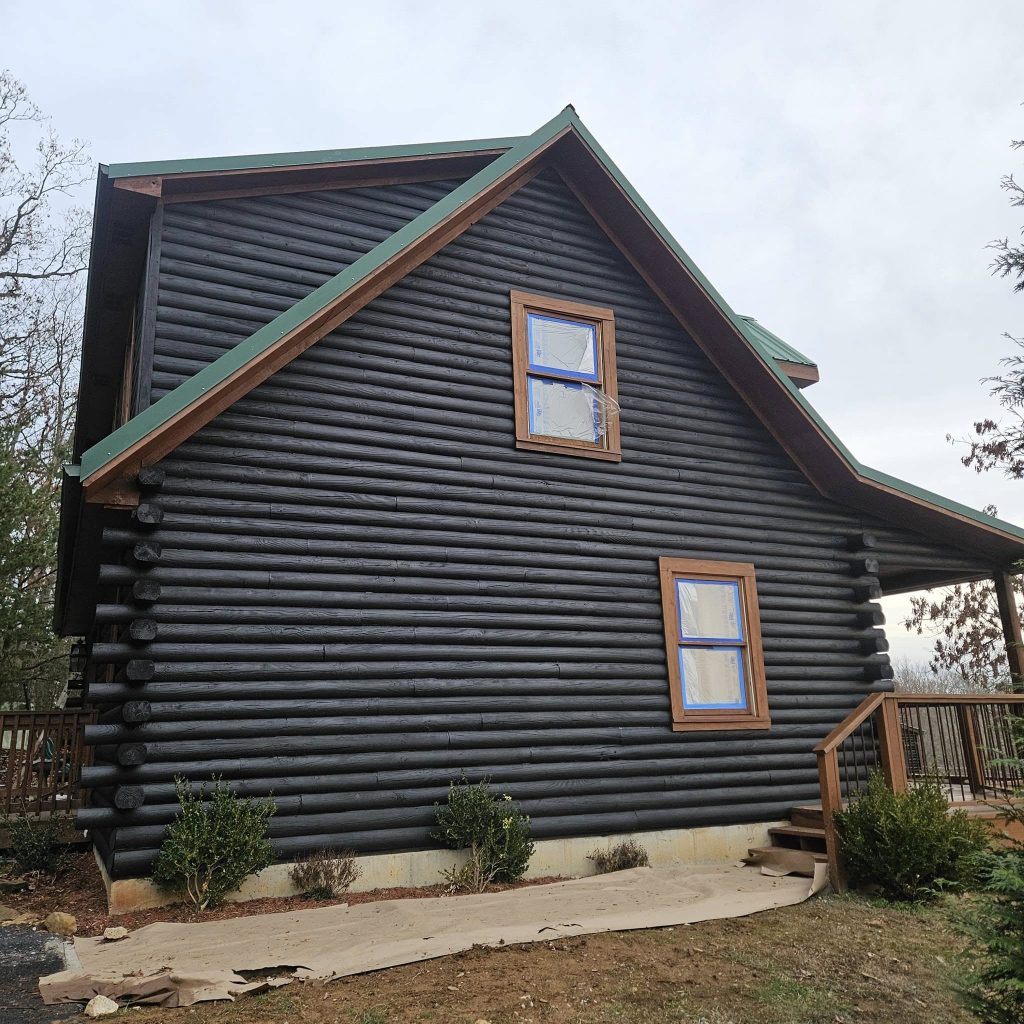
Sealing is one of the best ways to extend your log home’s life, boost its beauty, and avoid expensive repairs. Whether you’re on your first sealing cycle or looking to restore a neglected cabin, KY Cabin Care is here to help.
Contact us today to schedule your inspection and keep your cabin looking and performing its best.